Stereotypes Are Not “True”


I keep seeing on social media, especially on YouTube and TikTok, the claim that stereotypes are “true.” What people usually mean is that stereotypes about Black people are true. They then use selective clips of Black people behaving negatively as if these clips prove that stereotypes about Black people are true. This is unscientific. Sometimes they also claim to use data, but they use it selectively. Black Americans are overrepresented as lawbreakers relative to actual crime data. Some of these videos have millions of views, perpetuating stereotypes and benefiting the content creators financially.
Stereotypes persist partly because many people rely on group-based assumptions rather than evaluating individuals on a case-by-case basis.
Stereotypes are oversimplifications and do not represent the diversity and variation within a group. In fact, many people systematically underestimate the variability of groups to which they do not belong, an effect known as the out-group homogeneity effect.
Individuals within every group vary significantly. I support individuation, which means focusing on the specific attributes of an individual.
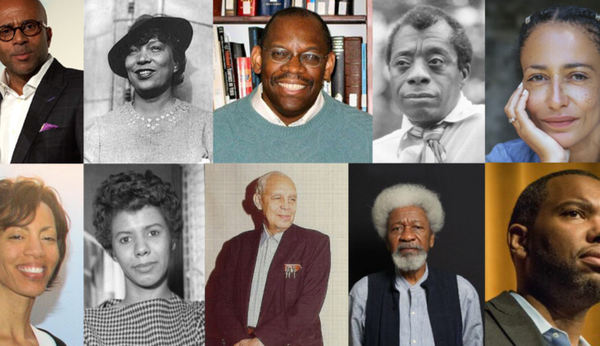
Racially prejudiced people I have known have claimed to dislike a group because of negative personal experiences. Those negative personal experiences usually are not representative of the variety within the group. Exposure to admired, counter-stereotypic examples has been shown to weaken automatic bias. People tend to notice and remember information that confirms their preexisting beliefs. This contributes to the perpetuation of stereotypes and the overlooking of contradictory evidence.
Buying into and using stereotypes can lead to discrimination and harm. I encourage a more nuanced and individualized perspective in which each person is assessed based on their unique qualities and actions.
History has contributed to the formation of stereotypes. Social, economic, and political factors can shape perceptions. Stereotypes are often used to justify disparities among groups, a process social psychologists describe as system justification.
Reliance on stereotypes can reflect a lack of critical thinking. Stereotypes are often based on incomplete or exaggerated observations. I encourage individuals to question and challenge stereotypes rather than accepting them uncritically.
Positive personal experiences and interactions with people from different backgrounds can reduce stereotypes. These interactions can help break down stereotypes by providing firsthand knowledge and fostering empathy. Intergroup contact typically reduces prejudice.
I approach each conversation with empathy because discussions about stereotypes can be touchy. As you know, my style is dialogue rather than debate.